
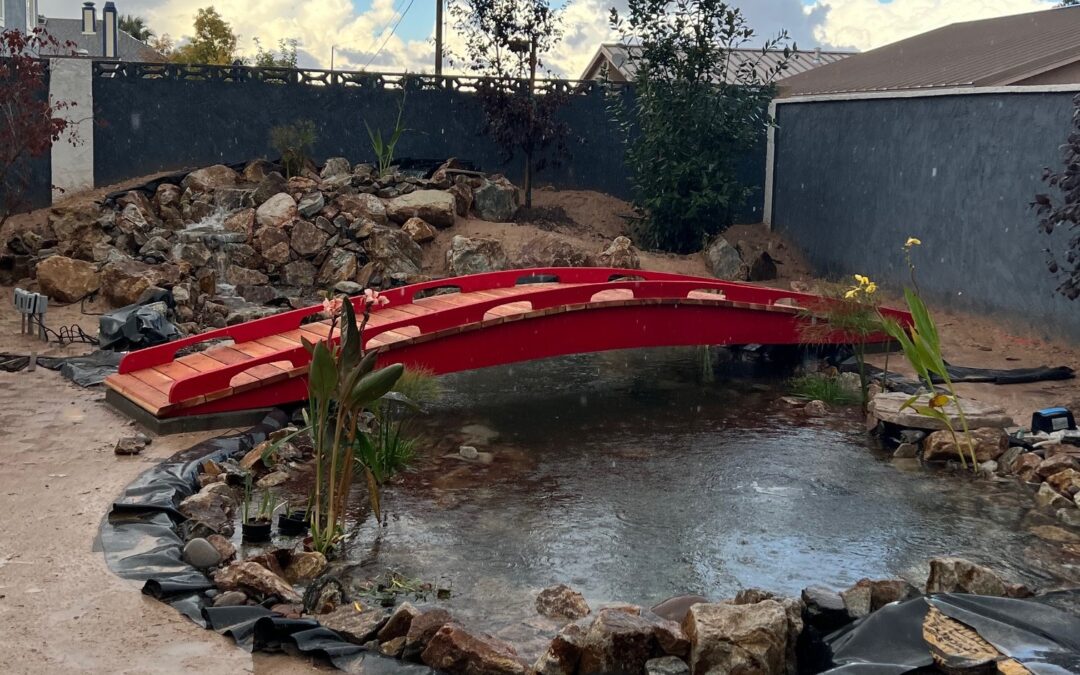
Creating a garden pond in California is one of the most rewarding ways to transform an outdoor space into a peaceful, living ecosystem. Whether you live along the fog-kissed coast, in the sun-drenched interior valleys, or in a lush Northern California backyard, a well-designed pond can enhance both property value and day-to-day tranquility. Because ponds are deeply connected to California’s love for outdoor living, homeowners increasingly complement them with aesthetic elements such as waterfalls, native plantings, and even koi pond garden bridges, which add both charm and functionality.
This guide walks you through planning, building, and enhancing your own garden pond—California style.
1. Understand California’s Climate and Regulations
California’s diverse climate zones mean that pond design must be thoughtful and site-specific. In hotter inland areas such as the Central Valley, evaporation rates can be high, so deeper ponds or shaded zones are helpful. In cooler coastal regions, ponds are easier to maintain but may require more protection from wind and falling debris.
Before beginning construction, check local regulations regarding:
- Water use restrictions
- Permits for electrical lines used for pumps and lighting
- Wildlife protection guidelines in more rural or wooded areas
Building your pond responsibly ensures long-term stability and avoids environmental issues.
2. Choose the Best Location for Your Pond
In California gardens, the ideal pond location should balance sun, shade, and accessibility.
Key considerations:
- Sunlight: 4–6 hours of sun supports aquatic plants without overheating the water.
- Trees: Avoid placing ponds directly under large trees to reduce leaf buildup.
- Slope: A gentle slope can help with natural water movement and drainage control.
- Visibility: Consider the view from patios, windows, or walkways. A pond should become part of your everyday landscape experience.
Many homeowners also select a place suitable for future additions such as a seating area, a waterfall, or a koi pond bridge—a feature that can enhance access and create visual depth.
3. Design the Pond Structure
Once the spot is chosen, sketch out your pond’s shape, depth, and surrounding features.
Popular design options in California:
- Natural, irregular shapes for a relaxed, organic look
- Geometric or modern ponds that match contemporary architecture
- Tiered designs with waterfalls for improved circulation
For koi, the pond should be at least 3 feet deep to ensure stable water temperatures during California’s warmer months.
4. Gather Materials and Prepare the Site
Typical materials include:
- Pond liner (EPDM or PVC)
- Underlayment to protect against rocks and roots
- Rocks and boulders native to California landscaping
- A reliable filtration system
- Pump and optional aeration devices
Excavating the area
Remove grass, roots, and debris, then shape the basin according to your plan. Add shelves for aquatic plants and ensure stable edges for rock placement.
5. Install the Liner and Filtration System
After digging:
- Lay down the protective underlayment.
- Spread the liner evenly, allowing enough overlap at the edges.
- Position the pump, skimmer, and biological filter.
- Use rocks to secure the liner and create a natural shoreline.
California’s warm climate supports algae growth, making a good filtration system essential for clarity and water quality.
6. Fill the Pond and Introduce Plants
Slowly fill the pond with water, smoothing out the liner as it settles.
California-friendly pond plants include:
- Water lilies
- Lotus
- Pickerel weed
- Native sedges and rushes
- Creeping water primrose
Aquatic plants help balance the ecosystem, attract wildlife, and create shade for fish.
7. Introduce Fish (Optional, but Popular in California)
Koi and goldfish are common choices. If you choose koi, ensure:
- Adequate depth
- Strong filtration
- Plenty of shaded or sheltered areas
- A stable, well-oxygenated environment
Koi thrive in California when their habitat is designed with temperature fluctuations in mind.
8. Enhance the Landscape Around the Pond
This is where creativity shines. Surround your pond with gravel paths, succulents, California native plants, and ornamental grasses. Add lighting to illuminate the water at night, creating a serene backyard retreat.
A feature many homeowners are now choosing to include is a koi pond bridge. A bridge not only makes the pond more interactive—allowing you to stand directly over the water—but also adds architectural beauty. When built from durable materials like redwood, it blends perfectly with California’s natural landscape and withstands the state’s variable weather conditions. Even small ponds can benefit from a compact bridge, transforming the space into a true garden centerpiece.
9. Consider Adding a Koi Pond Bridge for Function and Style
A koi pond bridge offers:
- Improved accessibility across different sides of the pond
- A unique viewing angle to observe koi and aquatic plants
- A focal point that ties the garden design together
- An opportunity for redwood construction, a material native to California and loved for its durability
Whether arched, flat, or modern in style, a bridge elevates the pond from a simple water feature to an immersive landscape experience.
10. Maintain the Pond Year-Round
California’s climate makes maintenance relatively easy, but consistency is key.
Maintenance tips:
- Remove debris weekly
- Clean filters regularly
- Monitor water chemistry
- Trim or thin overgrown plants
- Add water during dry spells to offset evaporation
With proper care, a garden pond becomes a self-sustaining ecosystem.
Conclusion
Building a garden pond in California is more than a home improvement project—it is a way to cultivate tranquility, connect with nature, and enhance outdoor living. By choosing the right location, designing thoughtfully, and maintaining the pond with care, homeowners can enjoy a flourishing aquatic environment for years to come.
And as the finishing touch, consider adding a koi pond bridge. This elegant feature not only enriches the visual harmony of your garden but also deepens the experience of interacting with the water, fish, and plants. In a state where outdoor spaces are an extension of daily life, a bridge can transform a simple pond into a true backyard sanctuary.
