
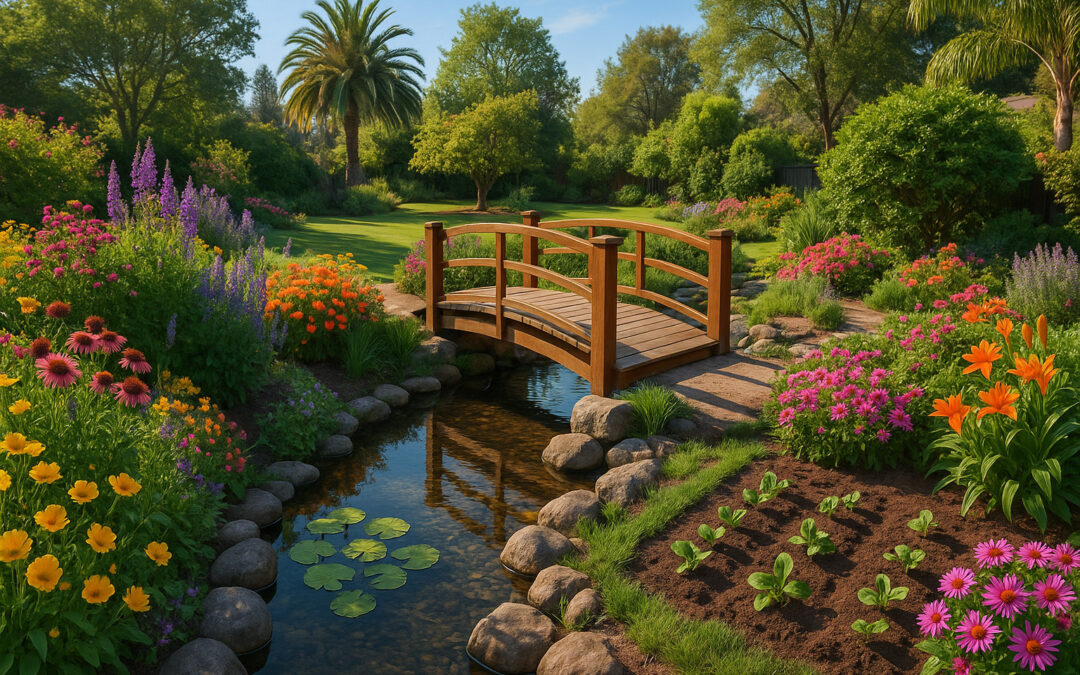
Starting a garden is a dream for many homeowners. It’s a way to connect with nature, enjoy fresh air, and create a space that brings both beauty and peace to your home. Whether you live in a small suburban house or have a spacious property here in California, gardening can become a fulfilling hobby and a wonderful lifestyle addition.
This guide will walk you through everything you need to know to start your first garden successfully—from planning and planting to adding unique features like garden bridges that make your outdoor space truly special.
Why Start a Garden?
Before diving into the practical steps, let’s talk about why gardening is worth your time:
- Health benefits: Spending time outdoors reduces stress, improves mood, and gives you exercise without even realizing it.
- Sustainability: Growing your own vegetables and herbs reduces your reliance on store-bought produce.
- Beauty: A well-planned garden adds charm, color, and value to your home.
- Creativity: Designing garden layouts, choosing plants, and even selecting decorative features like a garden bridge allow you to express your personality.
Step 1: Plan Your Garden
Good planning makes the difference between a thriving garden and one that struggles. Take time to consider:

- Space and Size
Decide how big your garden will be. For beginners, starting small is usually better. A 6×6 foot plot or a couple of raised beds are easier to manage than an oversized garden. - Purpose
Do you want a vegetable garden to grow fresh food, a flower garden for beauty, or a mixed space? Perhaps you want a meditative garden where features like pathways, fountains, and garden bridges create a peaceful atmosphere. - Style and Design
Think about the overall look you want. A Japanese-inspired garden often includes water features and garden bridges, while a cottage garden might emphasize colorful flowers and climbing vines.
Step 2: Choose the Right Location
Your plants will thrive only if the conditions are right. Here’s what to look for:
- Sunlight: Most vegetables and flowers need at least 6 hours of direct sunlight daily.
- Water access: Make sure your garden is close to a hose or irrigation system.
- Soil quality: Avoid spots with hard, compacted soil or areas that stay soggy after rain.
- Aesthetic position: Place your garden where you can see and enjoy it. Many people position a garden bridge near the center or entrance to make it a focal point.
Step 3: Prepare the Soil
Healthy soil is the foundation of gardening. Start by testing your soil—kits are inexpensive and available at most garden centers. Based on the results, you may need to:



- Add compost for nutrients
- Mix in sand for better drainage
- Use mulch to retain moisture
In California, many gardeners use raised beds to avoid poor soil quality and create more controlled conditions.
Step 4: Pick Your Plants
Choose plants that suit your climate, soil, and the amount of care you can provide. Some easy options for beginners include:
- Vegetables: Tomatoes, zucchini, lettuce, carrots, and peppers.
- Herbs: Basil, rosemary, thyme, mint, and parsley.
- Flowers: Marigolds, sunflowers, lavender, and zinnias.
Pro tip: Mix flowers with vegetables to attract pollinators like bees and butterflies. This will increase your harvest and make the garden look vibrant.
Step 5: Add Structure and Design Features
Plants are only part of a garden. The best gardens also have structure—paths, seating areas, and decorative features that make the space inviting.
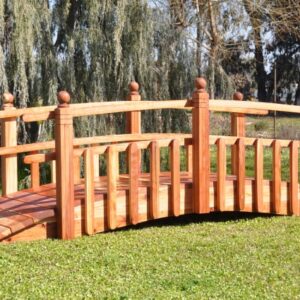
This is where a garden bridges becomes a wonderful addition. Even if you don’t have a stream, garden bridges can cross dry creek beds, gravel pathways, or simply act as a decorative centerpiece. Here’s why they’re a good idea:
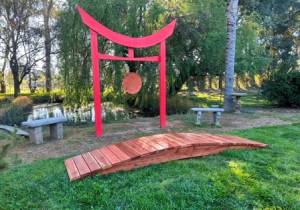


- Visual appeal: A garden bridge immediately draws the eye and gives your garden a sense of depth.
- Functionality: They provide practical walkways over water features or uneven terrain.
- Versatility: Wooden, stone, or metal bridges fit into almost any style—rustic, modern, or traditional.
- Personal touch: A custom-built bridge makes your garden truly unique.
Many California homeowners install a garden bridge as the focal point of their outdoor design. Imagine walking through your flowers, crossing a small bridge, and enjoying the view—it transforms your garden into a personal retreat.
Step 6: Plant and Care for Your Garden
Now comes the exciting part—putting your plants in the ground. Follow these tips:
- Plant at the right time: Check local planting calendars for California’s seasons.
- Space correctly: Don’t overcrowd plants; give them room to grow.
- Water wisely: Deep, infrequent watering is better than frequent shallow watering.
- Mulch: Helps retain moisture and prevent weeds.
As your plants grow, keep up with maintenance:
- Pull weeds regularly
- Prune and harvest often
- Watch for pests or diseases
Step 7: Enjoy and Expand
Your garden will evolve over time. Start small, learn as you go, and expand when you feel ready. You may want to add new plant varieties, build raised beds, or incorporate more decorative elements like seating areas, trellises, or additional garden bridges.
Final Thoughts
Starting a garden is more than planting seeds—it’s about creating a space where you can relax, reconnect with nature, and take pride in what you’ve built. With the right planning, healthy soil, and thoughtful design features such as a garden bridge, your garden can become one of the most beautiful and enjoyable parts of your home.
Whether you’re growing fresh vegetables, filling your yard with flowers, or creating a peaceful retreat, adding garden bridges will enhance both the look and function of your space. So grab your gardening gloves, sketch out your design, and get started—you’ll be amazed at how rewarding the journey can be.
