
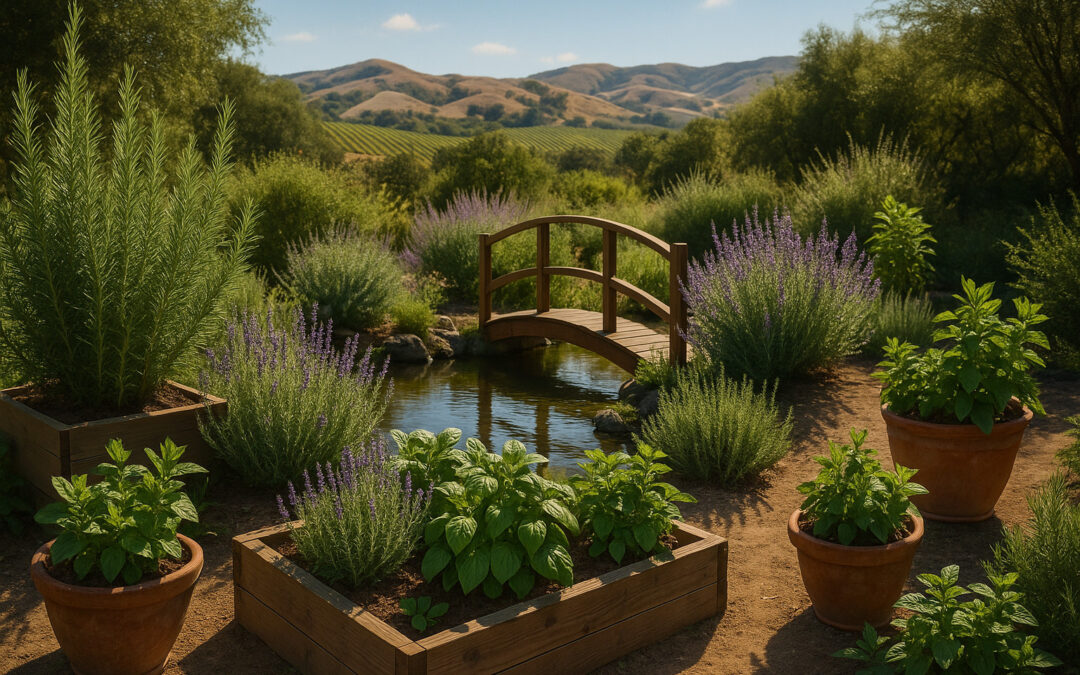
California’s mild climate and long growing season make it one of the best regions in the United States for starting an herb garden. Whether you live along the sunny coast, in the Central Valley, or in the foothills, herbs thrive in the Mediterranean-style environment. Beyond being practical for cooking and home remedies, an herb garden can be a place of relaxation and beauty. Adding a garden bridges — even a small decorative one — enhances both the function and the aesthetics of your space, turning a simple herb plot into a personal sanctuary.
Step 1: Choosing the Right Location


- Sunlight: Most herbs need at least 6–8 hours of direct sunlight. In coastal California, full sun is usually ideal. In hotter inland areas, provide partial shade during the afternoon.
- Soil: Well-drained soil is crucial. California’s diverse soils may require amendments like compost or sand to improve texture.
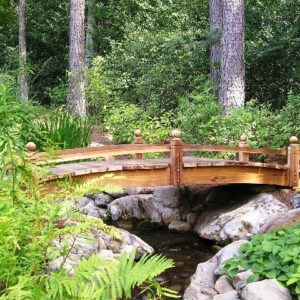
- Accessibility: Position your herb garden close to the kitchen for easy harvesting. If you plan to add a garden bridge, consider placing the garden near a water feature or across a dry creek bed for maximum visual impact.
Step 2: Selecting Herbs for California’s Climate
- Culinary staples: Basil, thyme, oregano, rosemary, parsley, chives, cilantro, and sage.
- Drought-tolerant favorites: Lavender and rosemary, which love California’s dry summers.
- Cool-season herbs: Cilantro, dill, and parsley do best in fall and spring when temperatures are moderate.
- Perennial choices: Mint (though invasive, best in containers), thyme, and oregano.
By mixing perennials and annuals, you ensure that your garden produces herbs year-round.
Step 3: Designing Your Herb Garden
Here’s where creativity and landscaping come into play. An herb garden doesn’t have to be just rows of plants — it can be a centerpiece of your yard.
- Raised beds or containers: Perfect for urban and suburban California homes where soil quality may vary.
- Pathways: Gravel or stepping stones make harvesting easy and keep weeds at bay.
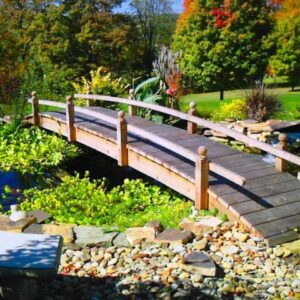
- Garden bridge: A standout design element that adds depth and visual movement.
Why Add a Garden Bridge?


- Aesthetic appeal: A garden bridge creates a focal point, drawing the eye and giving the herb garden a sense of structure and elegance.
- Integration with water features: In California, many homeowners install small ponds or dry creek beds for xeriscaping. A bridge over these features makes the garden feel dynamic and inviting.
- Practicality: Bridges help with access when crossing uneven terrain, irrigation channels, or decorative features.
- Relaxation and atmosphere: Walking across a small wooden or stone bridge evokes calm, enhancing the herb garden as a space for mindfulness.
Step 4: Planting and Care
- Planting season:
- Warm-season herbs (basil, oregano, thyme) are best planted in late spring after frost risk has passed.
- Cool-season herbs (cilantro, dill, parsley) thrive in fall and early spring.
- Watering:
- Coastal California: Regular but moderate watering.
- Inland California: Drip irrigation is recommended to conserve water and deliver it directly to the roots.
- Soil amendments: Add compost annually to enrich soil and maintain fertility.
- Pruning and harvesting: Regular trimming encourages bushy growth and prevents herbs like basil or mint from becoming woody or invasive.
Step 5: Enhancing the Garden Space

Beyond herbs, integrate elements that make the garden enjoyable year-round:
- Seating areas near your garden bridge for relaxation.
- Lighting along the path and around the bridge for evening ambiance.
- Companion plants like marigolds or nasturtiums to repel pests naturally.
Step 6: Seasonal Tips for California Herb Gardens
- Summer: Provide afternoon shade for tender herbs in inland areas. Use mulch to retain soil moisture.
- Fall: Ideal time for planting cool-weather herbs and preparing soil for the next cycle.
- Winter: In coastal regions, herbs often continue growing. In colder inland valleys, protect sensitive herbs with cloches or bring container plants indoors.
- Spring: Refresh soil, prune perennials, and plant annual herbs.
Garden Bridge Design Ideas for Herb Gardens
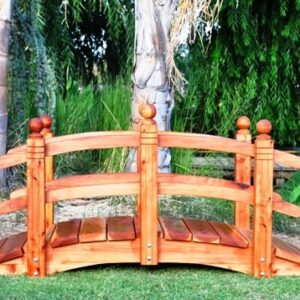
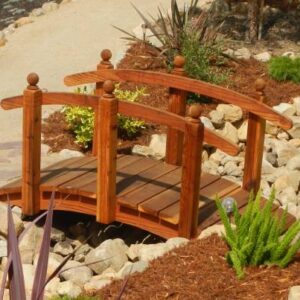
- Wooden arch bridge: Classic and blends naturally with greenery.
- Stone bridge: Adds rustic elegance and durability.
- Minimalist flat bridge: Ideal for smaller spaces or modern landscapes.
- Decorative railings: A chance to personalize with carvings, wrought iron, or artistic details.
When paired with herbs like lavender, rosemary, and thyme along the path, the bridge becomes more than a crossing — it’s a sensory journey.
Maintenance of the Garden and Bridge
- For the herbs: Regular watering, pruning, and soil enrichment.
- For the bridge:
- Wooden bridges: Treat with sealant to withstand California’s dry summers and occasional rains.
- Stone or concrete bridges: Check for moss buildup and clean periodically to avoid slipping.
Conclusion
Starting an herb garden in California is both rewarding and practical. With abundant sunlight and a favorable climate, herbs thrive easily, providing fresh ingredients for the kitchen and natural beauty for outdoor living. By adding a garden bridge, you elevate the garden from functional to inspirational — a place not only to harvest herbs but also to relax, reflect, and enjoy the landscape.
Your herb garden can be more than just plants: it can become a personal retreat, enriched by design elements that celebrate both nature and creativity.
