
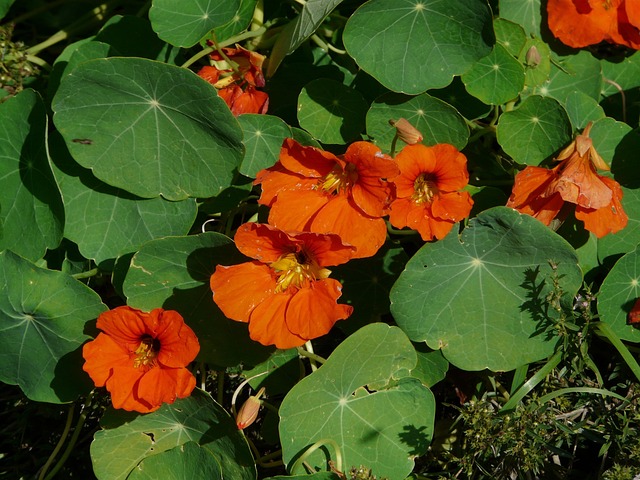
Nasturtiums are among the most delightful plants to bring into your garden. Known for their jewel-toned blooms and round, lily-pad–like leaves, these flowers are as versatile as they are attractive. Not only do they thrive with minimal care, but they also provide edible leaves, flowers, and seeds that can transform everyday meals. They attract pollinators, repel certain pests, and create a cheerful, colorful atmosphere in any outdoor space.
This guide will walk you through everything you need to know about nasturtiums—from planting and care, to harvesting and enjoying them in the kitchen. Along the way, we’ll also explore how to design your garden in ways that make the most of their beauty, including the addition of a garden bridge to create an enchanting focal point.




Why Choose Nasturtiums for Your Garden?
Nasturtiums (Tropaeolum majus) are an excellent choice for gardeners of all levels. Here’s why they stand out:
- Easy to grow: They tolerate poor soils, neglect, and even thrive on minimal attention.
- Dual-purpose beauty: Their bright orange, red, and yellow blossoms look stunning, while their leaves and flowers add flavor to salads and other dishes.
- Natural pest control: Nasturtiums act as “trap crops,” luring aphids and other pests away from vegetables like beans, cabbages, and tomatoes.
- Pollinator magnets: Bees, butterflies, and hummingbirds love nasturtiums, which can help boost your garden’s biodiversity.
- Continuous bloomers: With the right care, nasturtiums flower from late spring through early autumn.
How to Grow Nasturtiums
Choosing a Location
Nasturtiums thrive in sunny spots with well-drained soil. While they will tolerate partial shade, too little light reduces blooming. What’s unique about nasturtiums is that they actually prefer poorer soil—rich, fertilized soil will encourage leafy growth at the expense of flowers.
Planting Nasturtiums
- When to sow: Plant nasturtium seeds directly outdoors after the last frost date. They dislike transplanting, so sowing in place works best.
- How deep to sow: Place seeds about 1 inch deep.
- Spacing: Allow 10–12 inches between plants. For climbing varieties, consider spacing them closer to trellises or fences.
- Watering: Water regularly during germination, but avoid waterlogging. Once established, nasturtiums tolerate some drought.
Supporting Growth
There are two main types of nasturtiums:
- Bush varieties: Compact, mounding plants perfect for containers, borders, or flower beds.
- Climbing/trailing varieties: These can sprawl several feet, making them ideal for hanging baskets, walls, fences, and yes—even draping gracefully over a garden bridge.



Enhancing Your Garden with a Garden Bridge
Incorporating a garden bridges into your outdoor design creates a sense of depth, movement, and charm. A small wooden or stone bridge over a pond, dry creek, or simply between two flower beds can act as a central point that draws the eye.
Nasturtiums, particularly the trailing types, look stunning when planted near a bridge. Their vines spill over the sides, softening the structure and adding bursts of color that change throughout the season. Imagine walking across a garden bridge bordered by cascades of orange and yellow blooms, with butterflies and bees dancing between the flowers—that’s the kind of experience that transforms a garden from ordinary to magical.
The combination of structural elements like a bridge with natural, free-flowing plants like nasturtiums brings balance to your outdoor space. It marries human design with nature’s spontaneity.
Harvesting Nasturtiums
Almost every part of the plant is edible:
- Flowers: Pick when fully open, preferably in the morning after the dew has dried. They have a mild, peppery taste.
- Leaves: Younger leaves are tender with a spicier, cress-like flavor. Use them in salads or as a garnish.
- Seeds: Immature green seed pods can be pickled to create a delicious substitute for capers.
Harvest regularly to encourage continuous flowering. By snipping off blooms for the kitchen or to decorate your table, you signal the plant to produce even more flowers.
Culinary Uses of Nasturtiums
Nasturtiums are not only beautiful—they’re also surprisingly versatile in the kitchen:
- Salads: Add leaves and petals for a peppery punch and vibrant color.
- Stuffed blossoms: Fill whole flowers with soft cheese or hummus for an elegant appetizer.
- Sandwiches and wraps: Use leaves as a substitute for lettuce.
- Herbal vinegar: Infuse vinegar with flowers and leaves for a spicy-sweet condiment.
- Pickled pods: Harvest young seed pods and pickle them with vinegar, salt, and spices.
These culinary uses make nasturtiums a true “garden-to-table” plant. They bring a gourmet touch without requiring any advanced skills to grow.
Nasturtiums for Garden Health
Nasturtiums can play an important role in your garden’s ecosystem:
- Trap crops: Plant them near vegetable beds to draw pests like aphids away from more sensitive crops.
- Pollinator support: Their bright blossoms attract bees and butterflies, which help with pollination across your entire garden.
- Companion planting: Pair nasturtiums with tomatoes, beans, cucumbers, or cabbages to improve resilience.
Placing nasturtiums near your garden bridge not only enhances beauty but also strategically supports the plants around them, since pollinators will naturally explore nearby beds.
Seasonal Care and Maintenance
- Deadheading: Remove faded blooms to encourage new growth.
- Watering: Keep soil moderately moist, but don’t overwater.
- Frost protection: Nasturtiums are frost-sensitive. At the end of the season, harvest any remaining flowers or seed pods before the first frost.
- Seed saving: Allow some seeds to mature and dry on the plant. Collect and store them in a cool, dry place for next year’s sowing.
Final Thoughts
Nasturtiums are a gardener’s dream: simple to grow, edible, vibrant, and multifunctional. They reward minimal care with maximum impact, both visually and culinarily. Whether you’re brightening up a border, creating cascading color in a hanging basket, or draping vines over a garden bridge for a fairy-tale effect, nasturtiums offer endless possibilities.
By combining these cheerful flowers with thoughtful design elements like a bridge, you can create an outdoor space that feels alive, inviting, and uniquely your own. Grow them, harvest them, savor them—nasturtiums truly embody the joy of gardening.
