
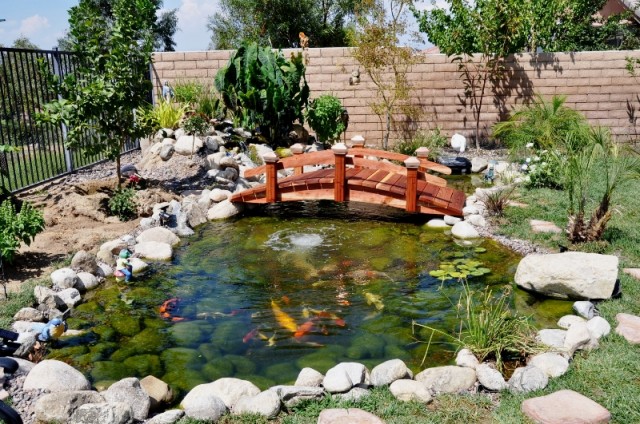
California’s landscape culture has long embraced outdoor living spaces that blend art, architecture, and nature. Among these features, koi ponds remain one of the most cherished focal points of residential gardens, public parks, and boutique resorts. Yet, what truly elevates a koi pond from a simple water feature to an immersive experience is the addition of a koi pond bridge. When crafted from California redwood, these bridges not only serve as functional pathways but also become enduring works of natural design.
The Cultural Significance of Koi Pond Bridges
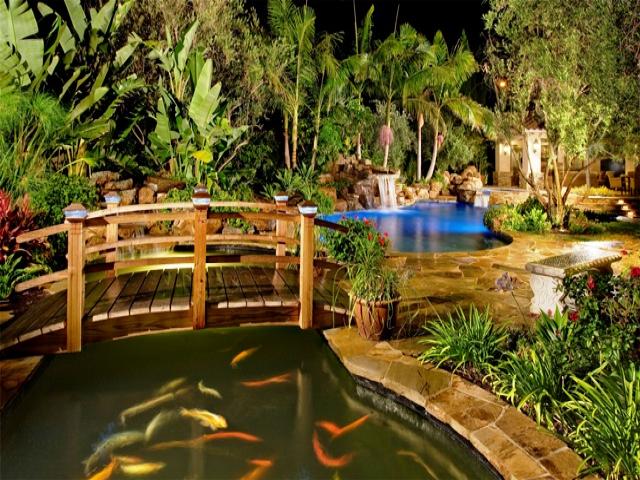
Koi ponds draw inspiration from Japanese garden traditions, where water, stone, and plant elements work together to create an atmosphere of harmony. Bridges, in this context, symbolize transition—moving from one state of mind to another, crossing into a place of calm.
In California, where Mediterranean climates meet Pacific aesthetics, koi pond bridges have evolved to reflect both Japanese influences and Western craftsmanship. Redwood, a tree species deeply rooted in California’s ecological identity, gives these bridges a local authenticity that resonates with homeowners and landscape designers.
Why Redwood Is the Wood of Choice in California
1. Exceptional Durability
Redwood is naturally resistant to decay, moisture, and insects. This is critical for structures placed near or directly over water. Its durability reduces the need for harsh chemical treatments, making it safer for sensitive pond environments and the koi fish themselves.
2. Distinctive Aesthetic Qualities

Redwood offers a striking range of warm tones—from light amber to deep russet—providing a visual softness that complements the reflective quality of water. Over time, redwood develops a graceful silver-gray patina, adding to its organic appeal.
3. Sustainability and Local Availability
Many California homeowners prefer redwood because it is locally sourced from responsibly managed forests. It supports regional forestry practices and reduces the carbon footprint associated with transporting exotic hardwoods.
4. Ease of Crafting
Redwood’s workability allows builders to create curved, arched, or minimalist flat bridges. Whether the goal is a traditional Japanese moon bridge or a contemporary walkway, redwood adapts beautifully to diverse design intentions.
Design Trends for Koi Pond Garden Bridges in California
Arched Redwood Bridges
Arched bridges remain the most popular choice, especially in gardens inspired by Japanese or Californian-Zen minimalism. They enhance the sense of depth around a koi pond and create striking reflections.
Floating Platform Bridges
Modern California landscapes often feature sleek, grounded designs. A low redwood platform hovering just above the water produces a clean, architectural look while maintaining natural warmth.
Slatted Redwood Bridges
Slatted decking increases drainage and slip resistance. This is especially useful in coastal regions of California, where fog and humidity can create slick surfaces.
Hand-Carved Details
Some homeowners commission custom artisanal work, such as railings inspired by redwood bark textures or koi motifs. These customizations elevate the bridge into a garden centerpiece.
Integrating a Redwood Bridge Into a California Landscape
Harmonizing With Native Plants
California’s climate supports a variety of drought-tolerant plants—manzanita, California fuchsia, and native grasses—that frame koi ponds beautifully. Redwood bridges fit naturally within such xeriscape-friendly designs.
Balancing Water and Stone
Landscape designers in California frequently combine redwood bridges with boulders, slate pathways, and basalt fountains. This creates a sophisticated interplay of texture and height.
Lighting the Bridge
Subtle LED lighting beneath or along the railings of a redwood bridge extends usability into the evening while casting gentle reflections onto the pond surface.
Considering Pond Ecosystems
Because redwood is non-toxic and ages gracefully without chemical sealants, it helps preserve the biological health of koi ponds—an important factor in California where water quality regulations and eco-consciousness are strong.
Maintenance Practices for Redwood Koi Pond Bridges
Although redwood is naturally resilient, proper maintenance ensures decades of performance:
- Annual cleaning with mild soap to remove algae and mineral deposits
- Optional re-oiling to preserve the wood’s original color
- Regular inspection of joints, screws, and beams, especially in areas with high moisture
- Gentle sanding every few years if a smoother, refreshed finish is desired
In California’s varied climates—from coastal fog zones to hot inland valleys—these practices help maintain structural integrity and aesthetic beauty.
Why Redwood Bridges Speak to the Californian Spirit
California embodies a lifestyle centered on outdoor living, sustainability, and aesthetic freedom. Redwood bridges align perfectly with these values. They offer:
- A connection to the region’s natural history
- A design material that is both luxurious and environmentally thoughtful
- A practical yet artistic enhancement to koi ponds
- A long-lasting structure that ages with dignity
Redwood koi pond bridges do more than link two sides of a garden—they weave together California’s cultural, environmental, and architectural identity.
Conclusion
Koi pond bridges stand as timeless symbols of tranquility, movement, and garden artistry. In California, where redwood remains one of the most treasured natural resources, these bridges take on an even deeper meaning. Combining durability, beauty, and eco-friendly qualities, redwood bridges elevate any koi pond into a serene sanctuary. For homeowners, landscape architects, and enthusiasts alike, a redwood koi pond bridge offers both functional elegance and a connection to the rich natural heritage of California.
